
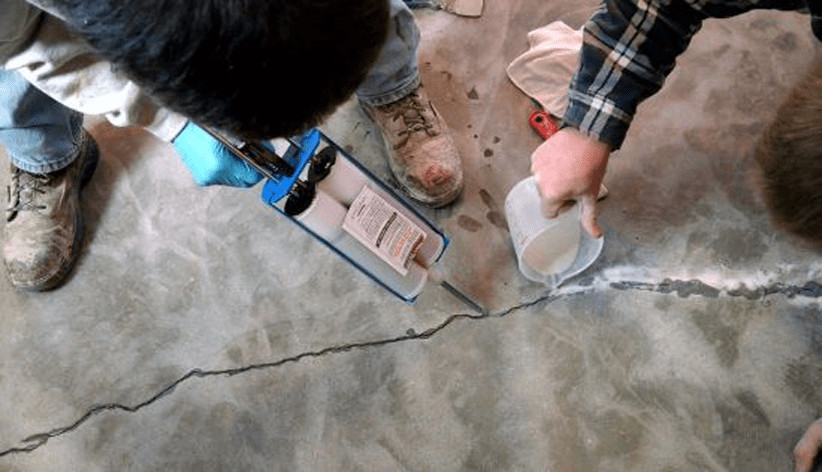
You can paint over cured epoxy with acrylic (latex) paint, epoxy paint, or polyurethane, but only after you sand the glossy surface dull, clean off the dust, and prime it. Skip that prep and the paint peels within weeks. Acrylic latex is the easiest and most forgiving choice for most floors and resin projects; two-part epoxy or polyurethane is what you want when the surface takes real abuse.
Epoxy cures into a slick, non-porous shell, and paint has nothing to grip on a shiny surface. The prep matters more than the paint. So the paint you pick matters far less than the work you do first. I have repainted an epoxy garage floor and touched up a couple of resin tabletops, and every failure I have seen came down to one thing: someone painted straight onto gloss.
Which paint sticks to epoxy? Quick comparison
Some paints grip cured epoxy far better than others, and the right pick depends on whether you want a color change or a tougher protective coat. Here is how the common options stack up:
| Paint type | Sticks to epoxy? | Prep needed | Best for |
|---|---|---|---|
| Acrylic / latex | Yes, reliably | Sand + clean + primer | Color changes, resin art, indoor surfaces |
| Epoxy paint (2-part) | Yes, excellent | Sand + clean + degrease | Garage and shop floors |
| Polyurethane | Yes, very durable | Sand + clean + primer | High-traffic, wet, or outdoor areas |
| Oil-based / alkyd | Poorly | Heavy sand + bonding primer | Only if you have no other option |
| Spray enamel / Rustoleum | Yes, with prep | Sand + light degrease | Small parts, touch-ups, trim |
The takeaway: reach for acrylic latex when you just want a new color indoors, and step up to two-part epoxy or polyurethane when the surface has to survive tires, water, or heavy foot traffic. Whatever you choose, none of them stick without sanding and cleaning first.
Table of Contents
- Which paint sticks to epoxy? Quick comparison
- Can you paint over epoxy?
- How I prep epoxy before painting
- How do you paint on top of epoxy resin?
- Can you use acrylic paint over epoxy?
- Can you put oil-based paint over epoxy?
- Can you paint enamel over epoxy?
- Will Rustoleum stick to epoxy?
- Can you paint over epoxy primer without sanding?
- Can you paint over an epoxy garage floor?
- FAQ
- The bottom line
Can you paint over epoxy?
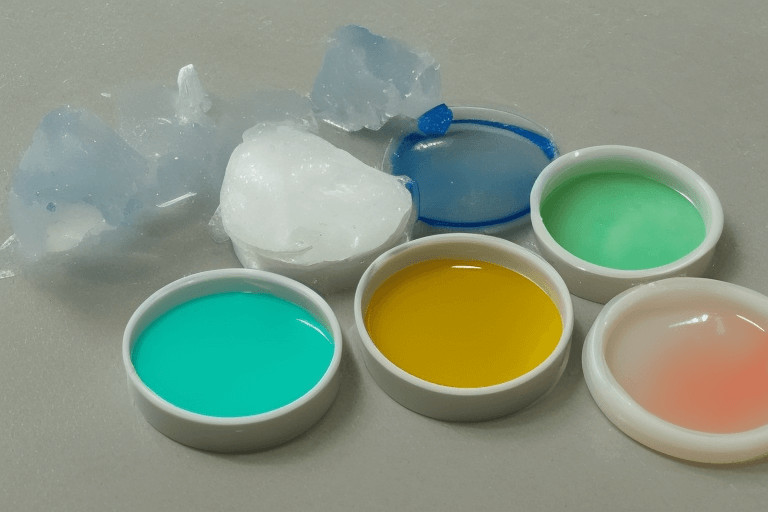
Yes. You can paint over cured epoxy, hardened resin, and two-part epoxy floors, and the answer is the same in every case: the epoxy has to be fully cured first, then scuffed and primed. Curing usually takes a full 7 days for floor coatings and up to 30 days for thick resin pours, even though the surface feels hard in a day. Paint over epoxy that is still gassing off and you trap solvents under your new coat, which shows up later as bubbles or peeling.
If you are not sure the surface is ready, check whether the epoxy is fully cured before you start. A cured surface has no tacky spots and gives off no chemical smell.
How I prep epoxy before painting
Prep is 90% of the job. Rush it and you repaint. Here is the exact routine I use, and it has never peeled on me:
- Sand the gloss off. Scuff the whole surface with 120 to 220 grit until the shine is gone and it looks dull and cloudy. On a floor I use a pole sander or an orbital; on small pieces, a sanding sponge. You are not removing the epoxy, just giving the paint a tooth to bite into.
- Vacuum, then wipe. Vacuum the dust, then wipe the surface with a rag dampened in denatured alcohol or a degreaser. Any dust or oily film left behind is a peel waiting to happen.
- Prime. Roll on a bonding primer or a self-etching primer and let it cure per the label. This is the layer that actually glues your topcoat to the slick resin.
- Paint two thin coats. Two thin coats beat one thick one every time. Let the first dry fully before the second.
Tools you need: 120 to 220 grit sandpaper, a shop vac, denatured alcohol, a bonding primer, and a roller or brush. The whole prep on a two-car garage floor took me about an afternoon, and the paint was worth it.
One thing I wish someone had told me sooner: sanding cured epoxy throws a fine dust you do not want in your lungs, and denatured alcohol gives off strong fumes. Open the garage door, run a fan for cross-ventilation, and wear an N95 or a respirator plus safety glasses while you sand. Put on nitrile gloves for the alcohol wipe-down. It is a five-minute setup that saves you a headache, literally.
How do you paint on top of epoxy resin?
Use a water-based acrylic for most resin art and craft pieces, or an epoxy paint for anything that gets handled or walked on. After sanding and priming, brush or roll on thin coats and follow the manufacturer’s recoat time between coats. Spray paint works too on small pieces, as long as you scuff and prime first. The rule never changes: match the paint to how much wear the piece will take, and always prep the gloss off. You can read more on painting on top of epoxy for project-specific tips.
Can you use acrylic paint over epoxy?

Yes, and acrylic latex is my go-to for painting over epoxy. It is water-based, low-odor, flexible enough to move with the surface, and it bonds well once you have sanded and primed. Note the difference between painting acrylic over cured epoxy (easy) and mixing acrylic paint into liquid resin (a different job with its own ratio limits). For a color change on a cured surface, acrylic over a bonding primer is the simplest path. More on painting over resin if your surface is a craft or art piece.
Can you put oil-based paint over epoxy?
You can, but it is my last choice. Oil-based paint over epoxy tends to adhere worse than acrylic and is more likely to peel, because the two chemistries do not love each other. If oil-based is all you have, sand the epoxy aggressively so the paint has real tooth, wipe it clean, and lay down a bonding primer first. Even then, expect it to be less durable than an acrylic or epoxy topcoat.
Can you paint enamel over epoxy?
Yes. Enamel, including spray enamel, sticks to epoxy well once the surface is scuffed and clean, which makes it handy for small parts and trim. Give the epoxy a light sand, wipe off the dust, and shoot or brush thin coats. Do not confuse this with mixing enamel paint into epoxy resin, which is a separate technique. If you spray-painted first and now want to seal it, here is how long after spray painting you can epoxy.
Will Rustoleum stick to epoxy?
Yes, Rustoleum sticks to epoxy well when you prep the surface. Rustoleum is formulated to grip tough substrates, so a light sand and a clean, degreased surface is usually enough for it to hold. For a floor, Rustoleum even sells a two-part epoxy floor kit made for exactly this. As always, check the can’s directions, because some Rustoleum products want a specific primer and some are self-priming.
Can you paint over epoxy primer without sanding?
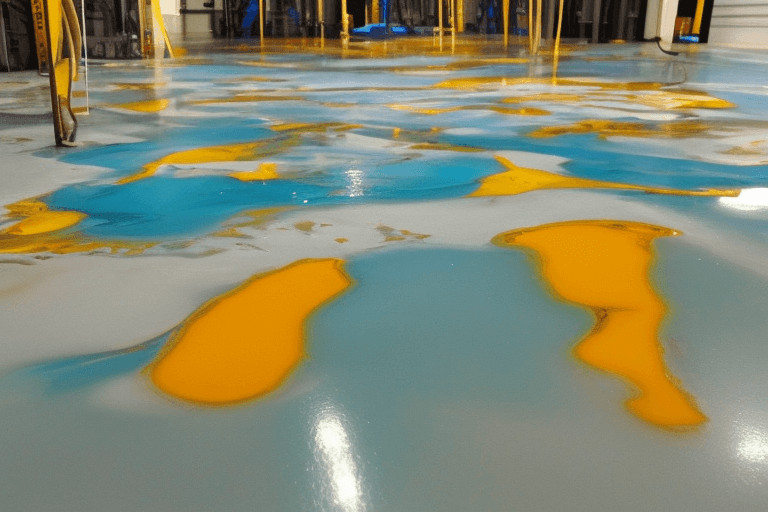
Yes, epoxy primer is one of the few cases where you can skip sanding, as long as you top-coat inside the primer’s recoat window. Epoxy primer stays chemically active for a set number of hours after it goes on, and painting within that window gives you a chemical bond with no sanding needed. On most products that window runs from roughly 3 to 24 hours, but it varies by brand and temperature, so the label is the only number that matters. Miss the window and the primer fully hardens, at which point you are back to scuffing it before the topcoat will hold. When in doubt, a quick scuff never hurts adhesion, so if you have lost track of time, sand lightly and move on.
Can you paint over an epoxy garage floor?
Yes, and this is where prep pays off most, because a garage floor takes tires, dropped tools, and foot traffic. Here is the order I follow:
- Confirm the epoxy is fully cured (give a fresh coat the full 7 days).
- Scuff the whole floor with 120 grit and vacuum every bit of dust.
- Degrease any oil spots, since oil is the number one cause of paint failure on garage floors.
- Use a paint made for concrete or floors, ideally a two-part epoxy or polyurethane, not a wall paint.
- Prime, then roll two thin coats, and stay off it for the full cure time before parking on it.
For color, acrylic-based floor paint works; for pure protection, a clear polyurethane topcoat over the existing epoxy is often the smarter move. If your floor is scratched rather than dull, you may just need to get the scratches out of the epoxy instead of repainting.
FAQ
Do I have to sand epoxy before painting?
Almost always yes. Sanding dulls the gloss and gives the paint a tooth to grip. The one exception is fresh epoxy primer painted inside its recoat window.
What is the best paint to use over epoxy?
Acrylic latex for most color changes and indoor surfaces, and a two-part epoxy or polyurethane for floors and anything that takes heavy wear.
How long should epoxy cure before I paint it?
Wait for a full cure, not just a hard feel. That is about 7 days for floor coatings and up to 30 days for thick resin pours.
Why did my paint peel off the epoxy?
Almost always because the surface was too glossy, still curing, or left dirty or greasy. Fix the prep and the peeling stops.
Can I paint epoxy without primer?
You can with some self-priming floor paints and enamels, but a bonding primer is cheap insurance and I use one on anything that matters.
The bottom line
You have plenty of paint options over epoxy. Acrylic latex, epoxy paint, polyurethane, enamel, and Rustoleum all work. But the paint is the easy part. What separates a finish that lasts from one that peels is the prep: fully cure the epoxy, sand the gloss dull, clean off every speck of dust and grease, and prime. Do that, lay two thin coats, and your new color will stay put. If you want to protect an existing epoxy surface rather than recolor it, a clear polyurethane topcoat is usually the better call than paint.

Martin Flood
Martin Flood has been working in the construction industry for over 20 years as a general contractor with expertise in remodeling projects that are large or small. He has furthered his career by specializing in epoxy resin flooring, providing excellent service to both commercial and residential clients. Martin’s experience enables him to offer professional advice on how to choose the right type of project based on your needs and budget.
View all posts by Martin Flood →