Epoxy Wood Hardener for Structural Repairs
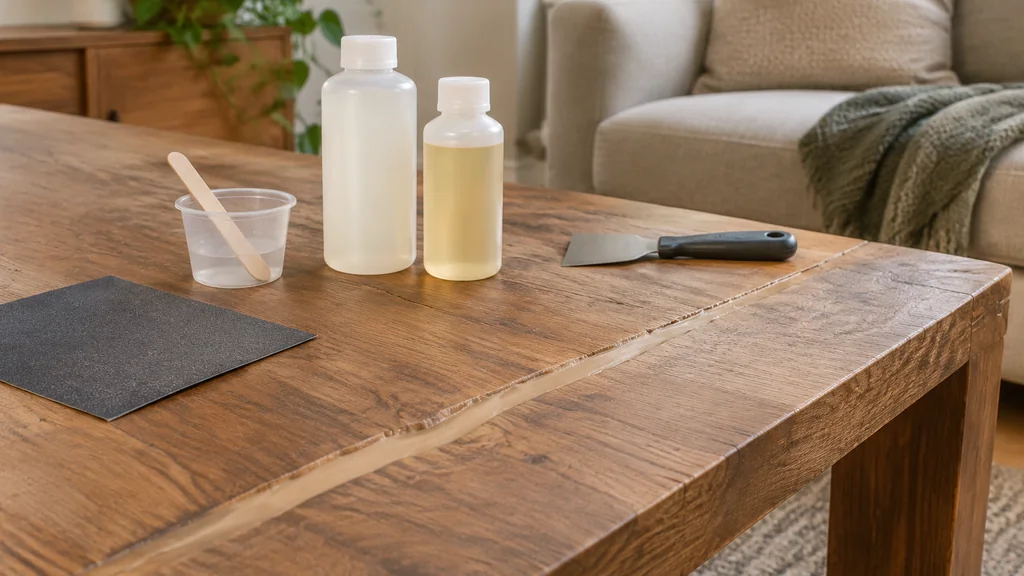
Learn how epoxy wood hardener restores rotten structural wood, when to use it, how to apply it step by step, and when to replace the timber instead.

Learn how epoxy wood hardener restores rotten structural wood, when to use it, how to apply it step by step, and when to replace the timber instead.
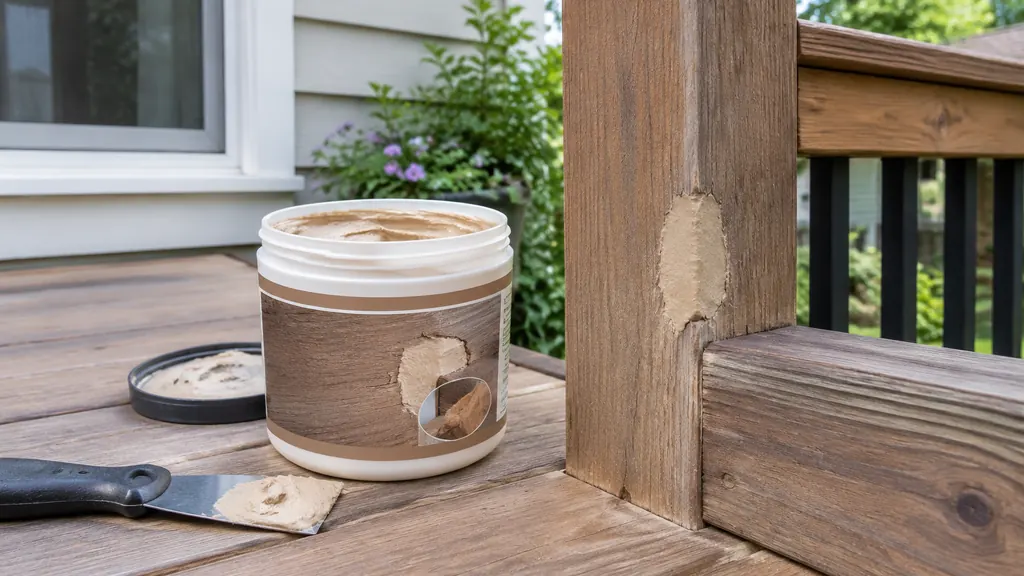
Learn to use epoxy wood filler for outdoor repairs, from rot removal and mixing to finishing and sealing, and when another exterior repair is needed.
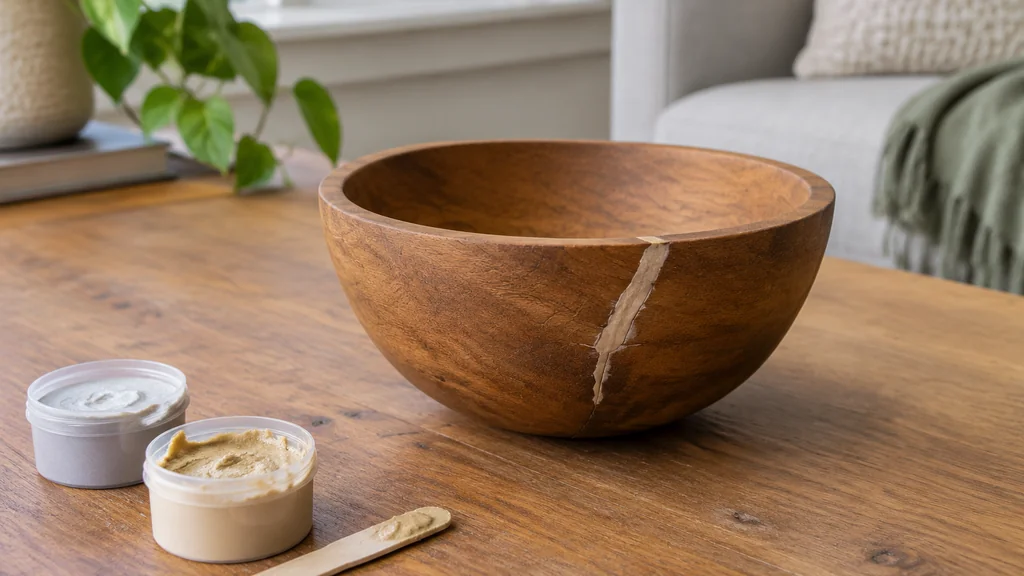
Learn how to use epoxy putty for wood repair, from cleaning out rot to shaping and sanding a lasting patch that takes paint and holds screws.
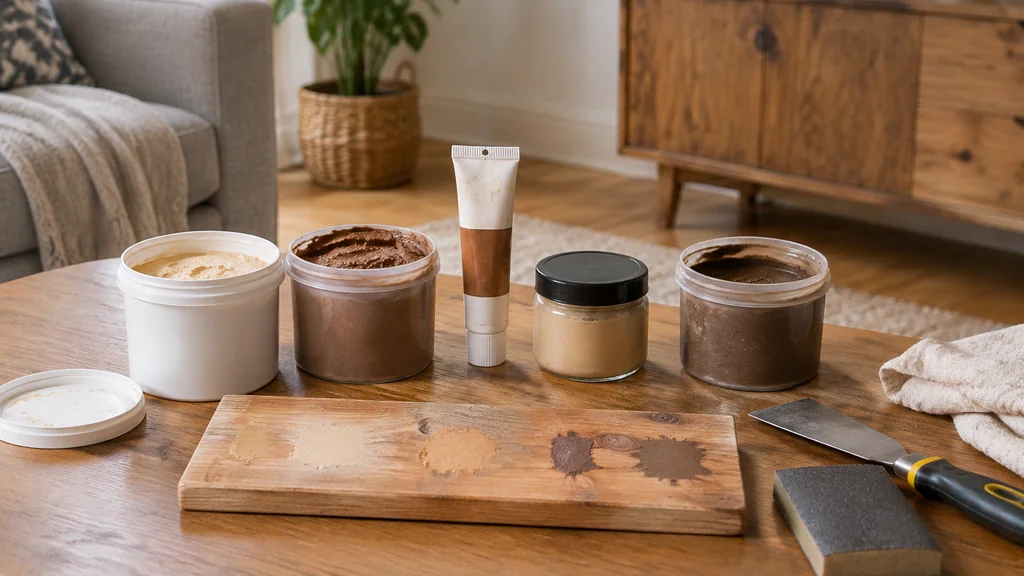
Compare wood repair putty, multi purpose putty and epoxy putty for wood. Learn which filler suits rot, cracks, trim and doors, and when to call a pro.
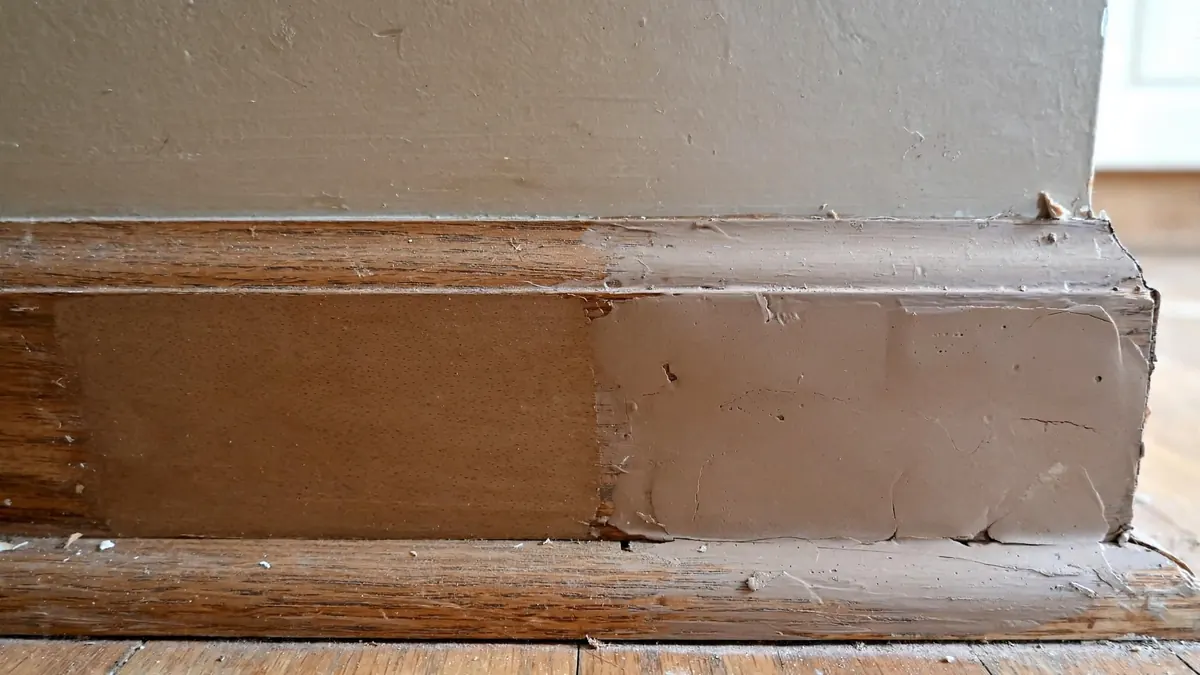
Two-part epoxy wood filler cures hard and stays put in rot repairs, while one-part putty suits quick cosmetic fixes. Learn which to choose and how to apply it.
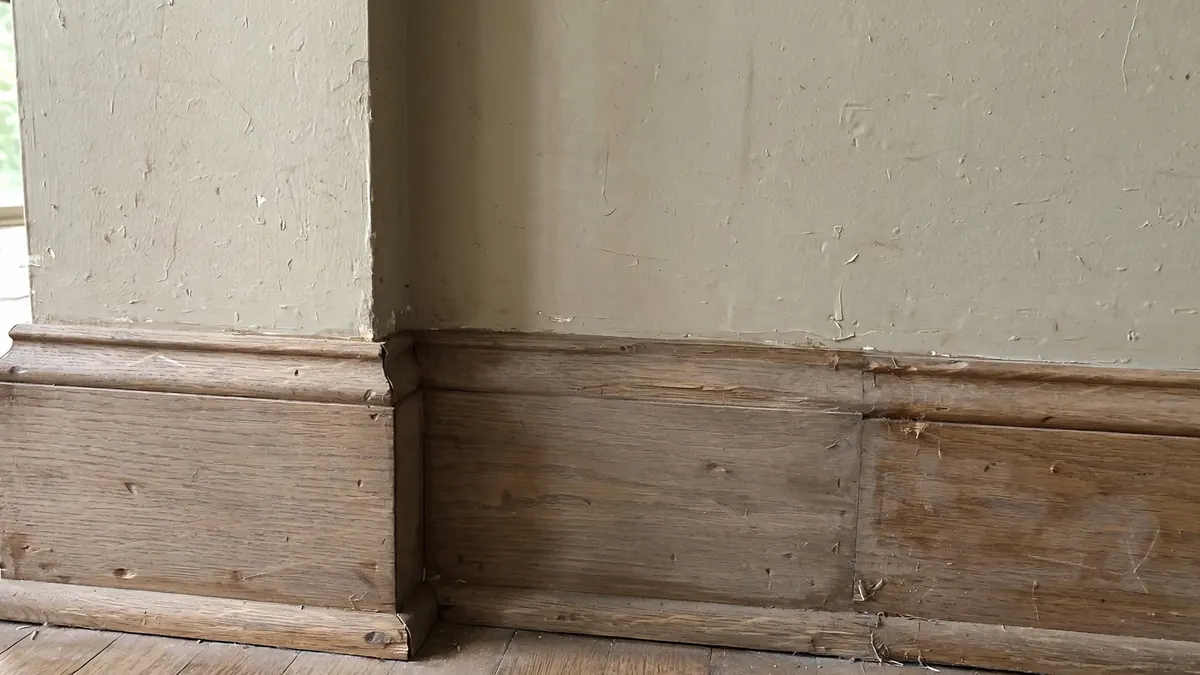
Learn how to use epoxy resin wood filler to repair rot and damage in old wood, with step-by-step guidance on prep, mixing, filling, and finishing.

Making an epoxy table for beginners starts with a sealed wood slab, a level form, and a thin first pour. Learn tools, steps, costs, and fixes here.

Learn how to pigment black epoxy resin, avoid swirls and cloudiness, and get a deep, even finish on wood, tables and repairs with simple steps.
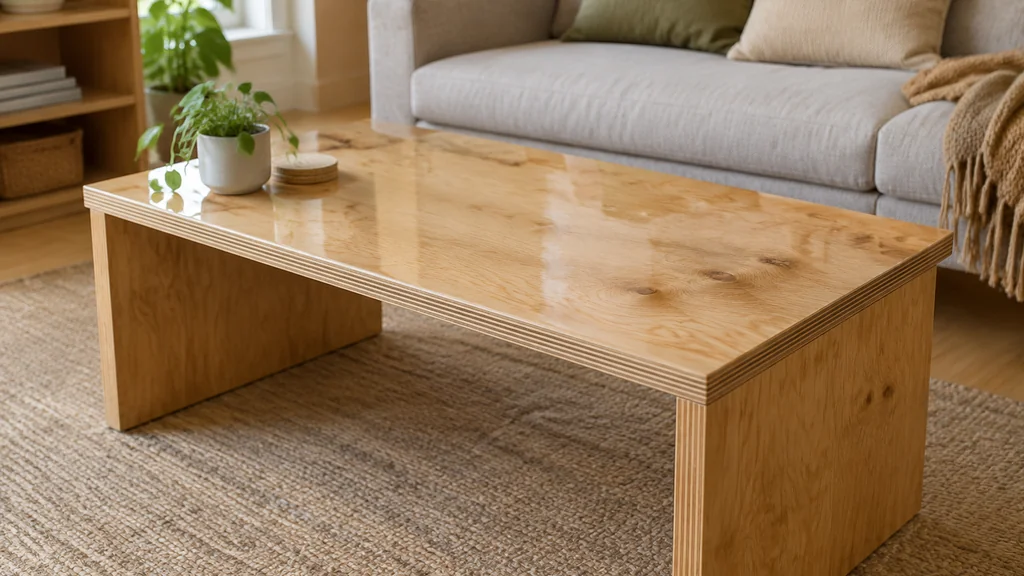
Learn how to seal plywood with epoxy the right way, from surface prep and edge sealing to mixing, application, and curing for a durable, water-resistant finish.
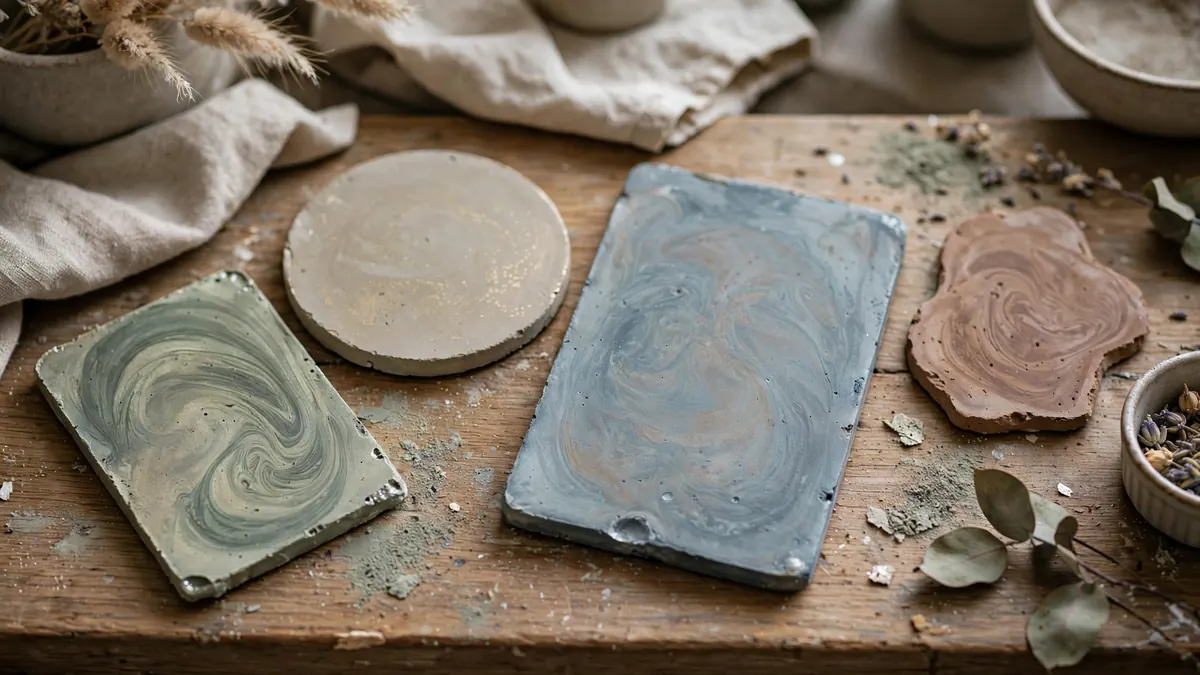
Learn how much mica powder for epoxy resin to add, how mixing ratios change the look, and how to avoid clumps, dull colour and weak pours in your work.
As an Amazon Associate we earn from qualifying purchases.