
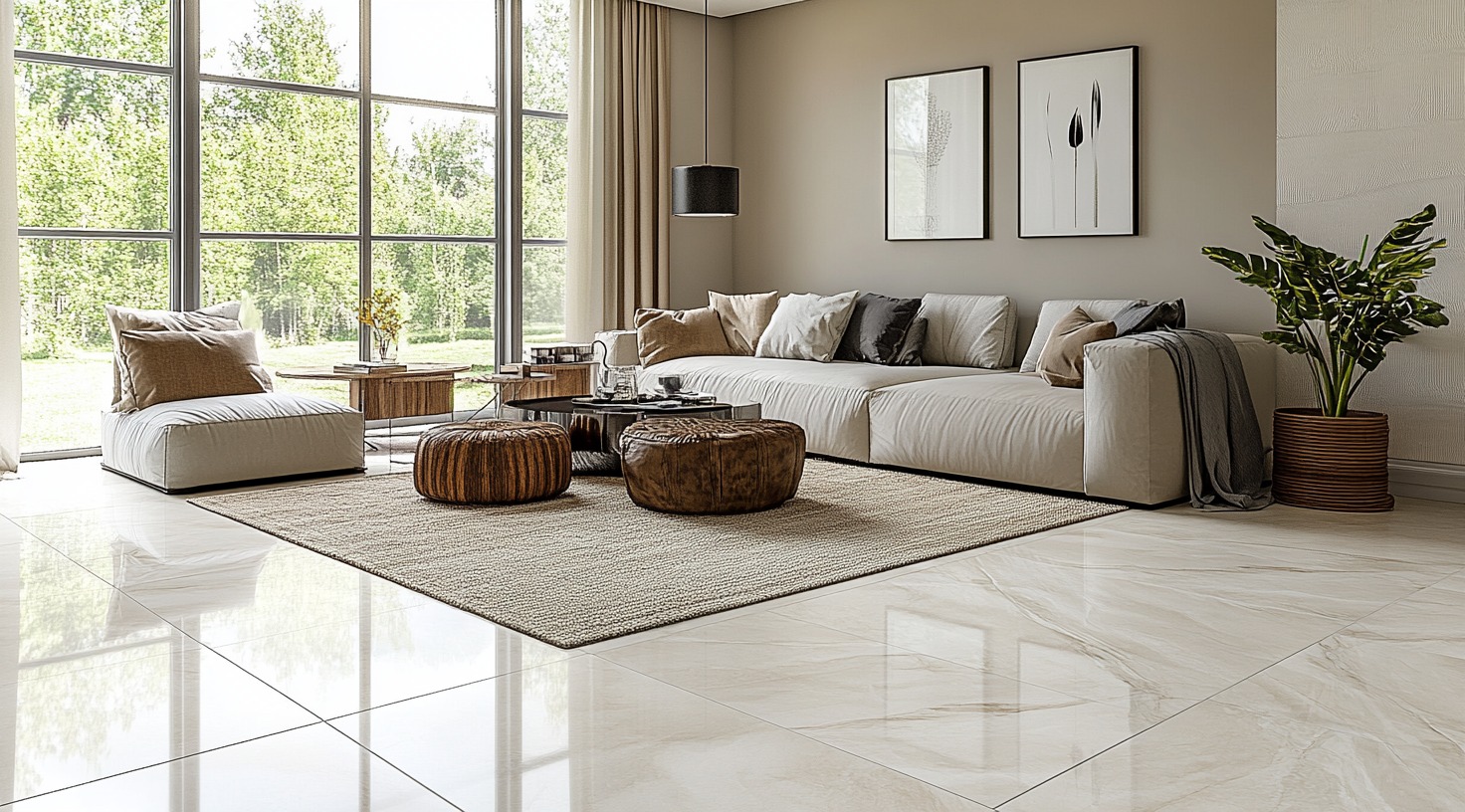
While apartments and smaller homes may have less square footage, that doesn’t mean they need to feel cramped. With the right DIY design strategies, even the most compact spaces can feel bigger without compromising on style.
Curious to learn more? Today we’ll explore how being clever with design choices when it comes to things like furniture, your home’s flooring, and decor can have a big impact on how your space feels. Let’s find out how!
Use flooring to enhance the sense of space
When you’re working with limited space, it’s a good idea to start from the ground up. Your flooring covers a large area, so it makes sense to consider how it can influence the way a room feels. So how do you do it?
Light-coloured floors will make your space feel larger as they reflect the light, giving rooms an open and airy feel. If you have a dark floor, it’s best to pull it up so you can start fresh.
Light wood designs such as those used in hybrid flooring are perfect for this. For an even more expansive feel, choose wider planks or have them laid in a diagonal pattern to create the illusion of length.
You’ll also want to incorporate rugs, as these help to define zones within your space, making it seem larger. Stick to lighter fabrics if your space is particularly small, or add contrast with a darker rug if the room allows for it.
Table of Contents
Use mirrors to create the illusion of space
Decor can be a great DIY way to update your space. Mirrors are another great option for small spaces, as they can help brighten them up and enhance the feeling of openness. Placing a large mirror across from a window can boost natural light and give the illusion of bringing the outdoors inside. Smaller-sized mirrors can be placed across the design elements that you wish to highlight.
To add a personal touch, you can create your own custom-framed mirror. To subtly add to the illusion of space, choose a thin metallic edge that helps bounce the light around the room. If you like a bit of woodwork, you can also create a metallic frame with some MDF and spray paint. Simply choose the colour you want and get crafting!
Opt for light colours on walls and furniture
Another important element to keep in mind are the colours you choose for your walls and furniture. While dark and dramatic tones can be stunning in larger spaces, you’ll want to stick to lighter hues when working with a smaller room.
Whites, pastel shades and soft neutral tones can all work to help make your room feel airy and expansive, while bold accents—such as a deeper-toned skirting board or feature wall—can add visual interest.
If you’re finding it difficult to picture how it’ll all look, create a mood board, grab some fabric swatches, and pick up a few test pots of paint to help you imagine how you’ll use each colour in the space.
Keep in mind, you don’t need to buy new furniture if what you have doesn’t fit the bill. Upholstery can be tricky, but if you have the time it can be a great way to create bespoke furniture that helps open up your home.
Choose furniture with a smaller footprint
When space is limited, you’ll want to choose pieces that don’t overwhelm the room. Think slim, minimalist options that have more than one function. Foldable desks, nesting tables and sofas or ottomans with hidden storage are great examples of this. You can build these if you’re handy, or even upgrade your existing furniture.
You’ll also want to consider the way that you arrange things to ensure a smooth flow through each space. To create this, walk through the room while it’s empty to see what pathway you naturally take. Then, arrange the furniture around these paths to allow freedom of movement.
Maximise vertical space for storage
Storage capacity (or lack thereof) is one of the biggest challenges when designing small spaces. To make sure you’ve got enough room for everything, try to make the most of your vertical space.
Tall shelves and cabinets are ideal for this, as are hanging organisers and wall-mounted hooks. These are easy to make, and can even be better than buying premade ones as you can design them to fit the space perfectly.
Floating furniture such as bed heads and wall-mounted desks can also free up floor space, and beds with bed heads with storage is another great option. Bonus points here if you can also store things beneath the bed.
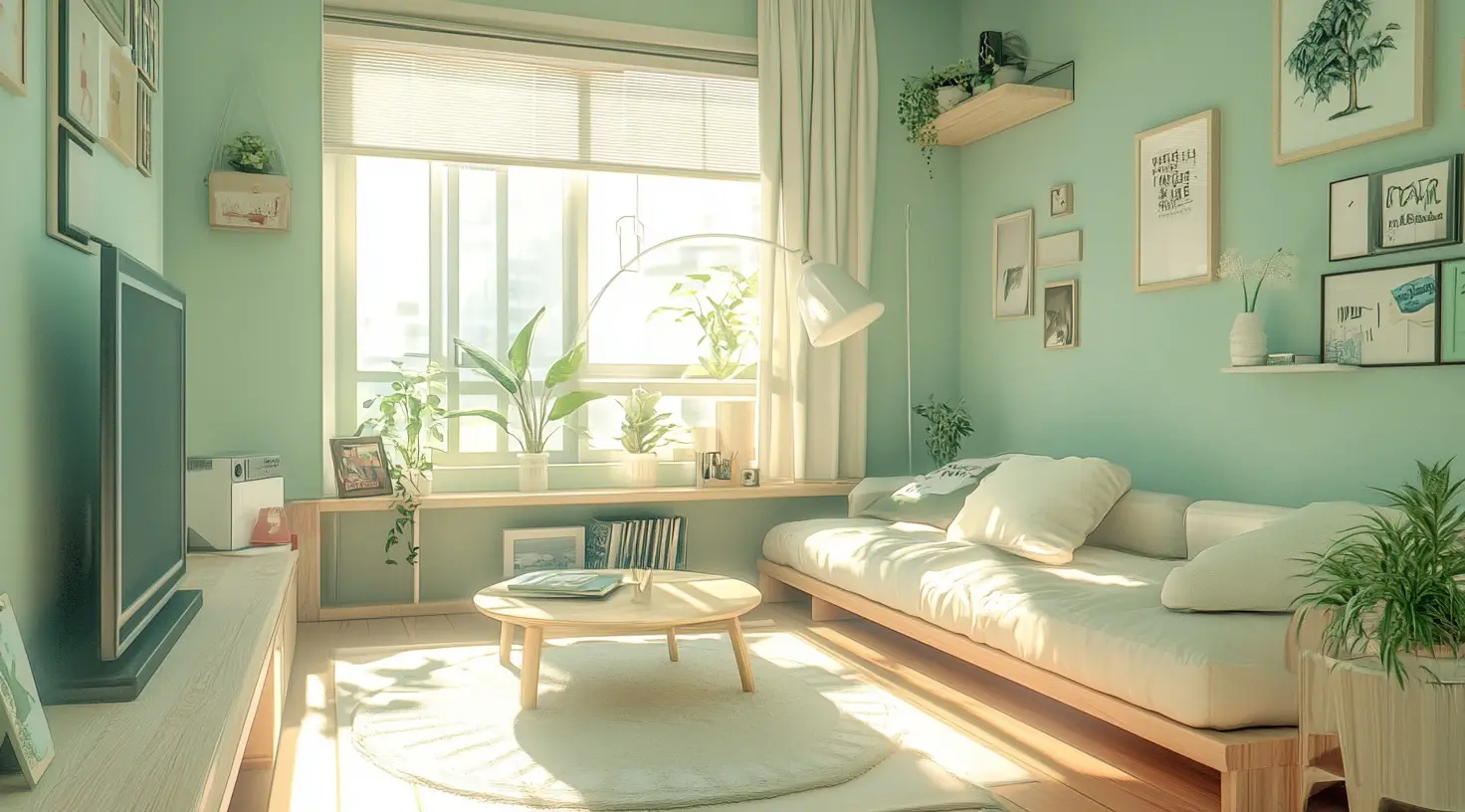
Create flow with consistent design elements
Finally, by blending elements together through the use of a cohesive colour palette and decor styling, you can help ensure that the space doesn’t look or feel too busy.
Choose one or two feature shades for your main tones and keep to a consistent theme. Visual fragmentation can make a room feel cluttered and small, which is something you’ll want to avoid when you’re already low on space. Repeating patterns and materials can help to present a seamless and unified look, while consistent flooring throughout rooms can enhance flow and connection through the space.
Making a small space feel larger doesn’t have to be difficult. With a few simple strategies you can create a bright, open vibe even when space is at a premium. The key is to choose elements you love, and most of all have fun with them.

Martin Flood
Martin Flood has been working in the construction industry for over 20 years as a general contractor with expertise in remodeling projects that are large or small. He has furthered his career by specializing in epoxy resin flooring, providing excellent service to both commercial and residential clients. Martin’s experience enables him to offer professional advice on how to choose the right type of project based on your needs and budget.
View all posts by Martin Flood →